


Digital marketing is crowded, as you know when you see your competitors outranking you in Google. This is why creating an effective digital marketing strategy is so important.
The more data driven and targeted you are in digital marketing, the more efficient your team will be. Plus, you'll see big results over time.
A digital marketing strategy is the set of actions your marketing team takes that aligns with your overall goals. In the world of digital marketing, strategies include various tactics that exist in certain digital channels, like SEO, paid media, PR, social media, and more.
But let’s get not get strategy confused with tactics. Strategy is the path you’re creating to take you from where you are today to where you want to be. In other words, it's your roadmap to achieving business goals, like increasing qualified leads.
Tactics are the specific actions you take to hit those goals, like blogging, email drip campaigns, keyword research, and paid media. They are the individual steps you take to traverse your path.
These tactics often align with similar tactics to make up a digital marketing campaign. For example, your SEO campaign will consist of tactics like keyword research, competitor analysis, and blogging.
The best way to learn about executing successful digital strategies is by studying the best of the best.
Awesome Digital Marketing Strategy Examples
1. Mint
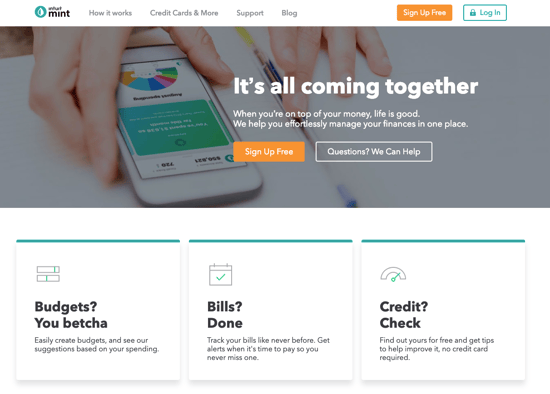
As a startup in 2006, Mint was entering a competitive niche market – personal finance. The problem: how do you stand out in a niche with a limited budget?
The solution: content marketing. The Mint team doubled down on content creation, conducting targeted campaigns that earned trust from their audience.
Some of their best content marketing campaigns relied heavily on their community. For instance, their Train Wreck Tuesday campaign focused on personal finance disasters. They used incentives to encourage readers to share their story.

User-generated content like this is especially helpful for smaller organizations because it takes less resources to refine and edit submitted content, as opposed to creating new posts and articles on your own.
They diversified their categories in an effective way, providing plenty of educational content in different formats, like Minterviews or Moneyhacks. For their Minterviews, they would (you guessed it) interview various people, like CEOs, finance professionals, and bloggers, who had big followings.
For example, they sat down with Leo Babauta, the creator of the wildly popular ZenHabits lifestyle blog. This post from 2007 was highly valuable for their audience.
The Mint team also created awesome infographics that were packed with great information, well designed, and shareable. They covered a ton of topics with infographics, like explaining the Federal Reserve System, the rising cost of school supplies, how to finance owning a pet, and tips on surviving financial data breaches.
Many of their infographics were shared widely in active online communities like Reddit.
Their ongoing dedication to creating unique, engaging content grew their audience to over one million users and was adding a few thousand new users every day back in 2009. That same year, Intuit purchased Mint for a whopping $170 million.
2. Wirecutter
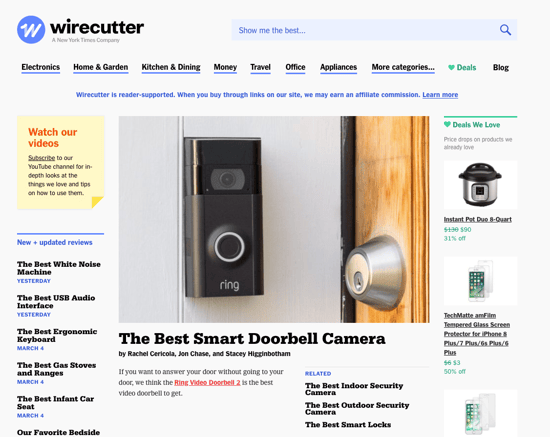
Affiliate marketing tends to be kind of suspicious. Many websites simply throw together content to house affiliate links to try to earn commissions.
Wirecutter stands tall in the affiliate marketing world for a number of reasons.
First of all, they're transparent and honest, with a clear explanation of how their writers rate and review products. On their About Us page, they make their standards clear to their readers.
Our recommendations are made through vigorous reporting, interviewing, and testing by teams of veteran journalists, scientists, and researchers...We pride ourselves on following rigorous journalistic standards and ethics, and we maintain editorial independence from our business operations. Our recommendations are always made entirely by our editorial team without input from our revenue team, and our writers and editors are never made aware of any business relationships.
This keeps their content focused on what matters most – their audience's best interests.
They reiterate their commitment to you, not just revenue: "There’s no incentive for us to pick inferior products or respond to pressure from manufacturers—in fact, it’s quite the opposite. We think that’s a pretty fair system that keeps us committed to serving our readers first."
You will notice they don't place any banners or other ads on their site. This is likely because they know what their readers want – unbiased, informative reviews, and lists of the best products around.
Their consistency and ongoing commitment to strong content is how they earned their awesome reputation. Thanks to that and their transparency, they are now a top resource for consumers..
In fact, after being founded in 2011, the company eventually generated $150 million in revenue. This lead to the New York Times purchasing the site in 2016.
How to Create Your Own Digital Marketing Strategy Template
To start creating your digital strategy, you want to first establish a way to systematize it. This is where a digital marketing strategy template comes in handy.
The truth is, there is no one-size-fits-all approach to creating a marketing strategy. Your digital marketing strategy will be unique to your industry, your goals, and your business.
This is why you need to build a template that works for you. Your template should include the following sections:
Buyer Persona Research
A buyer persona is a semi-fictional representation of your ideal customer, based on market research and real data from existing customers.
Creating your personas is always the best place to start when building out marketing strategies. How can you be effective if you don't know who you're trying to reach?
Start your buyer persona research by looking for the following:
- Psychographic information
- Goals
- Challenges
- Priorities
- Interests
- Demographic information
- Income
- Job title
- Location
- Age
Gather this information by collecting data from your existing customers, your prospects, and people you want to reach. You can interview and survey those you have direct contact with to get a full picture of your buyer personas. Asking the right questions can be illuminating.
Goal Mapping
How far will your digital strategy get without a definition of success? How will you even know if you're on the right track?
via GIPHY
This is where smart goals make a big difference. Your marketing team should fully understand the goals of their tactics and see exactly how their efforts align with big picture objectives.
Team up with your senior leadership team to work backward, starting with the big goal (usually a revenue-based objective for the whole company). Then, break that down into marketing goals.
For example, generate X amount of revenue requires X sales. For sales to hit their goal, marketing needs to deliver X amount of qualified leads per month. Aligning marketing goals gives your team visibility of their impact and helps your team track their progression.
Campaigns
Once your team is up to speed on their goals and who they're targeting with digital marketing tactics, you can build campaigns with them.
Some of the most valuable digital campaigns include:
- SEO
- Paid media
- Social media marketing
- Email marketing
- Video marketing
Obviously, your template will include the campaigns that best fit your goals and your audience. For example, you will want to invest more in SEO campaigns if you need to boost organic traffic.
Once you have your goals in place, understand your target market, and allocate enough resources to appropriate campaigns, your team is all set to put your tactics into action, driving results through a robust, comprehensive digital marketing strategy.

.png)

Comments