

Anyone involved in PPC and digital advertising on Google must take into account their Google Quality Score. After all, this is the score that Google uses as a major factor in determining the overall cost of your individual ads.
Your Google Quality Score is a quality estimate of your ads (and ad relevance), keywords, landing pages and click-through rates, based on a simple 1-10 scale. The reason you'd want to improve your quality score and create more relevant ads and paid ad conversion elements is that, with a higher score, you can significantly lower your ad prices—specifically, your Cost Per Click.
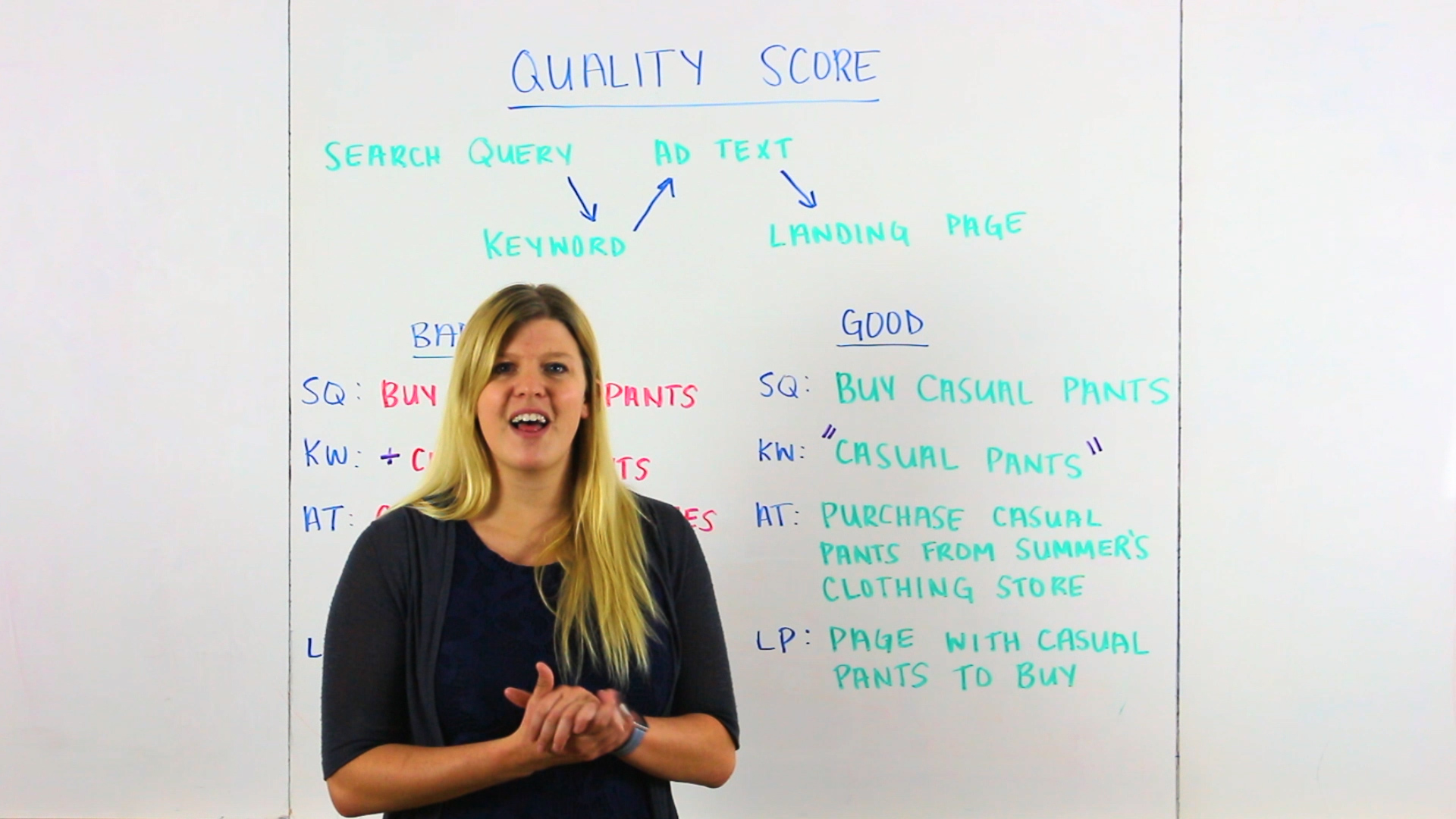
In this video blog, I provide an overview of what a Google Quality Score is, as well as examples of strong—and not so strong—paid advertisements and their effects on overall Quality Score.
Ways to Improve Google Quality Score
Some simple ways to improve or optimize your Google Quality Score include:
- Matching search queries to what potential visitors are actually going to experience on your ad landing pages; again, the key to a high Quality Score is relevance between all components of an ad
- Using Phrase Match keywords in your paid ad, as opposed to Broad Match keywords, to reach a more targeted audience and match the exact service or product being offered
- Incorporating your selected keyword(s) in your search query, ad text and landing page text
- Doing your homework; at the end of the day, your paid ads—and Google Quality Score—will suffer if you don't complete the proper keyword research before running an ad. What's relevant for your audience, and what long-tail opportunities exist to target high-quality audiences?




Comments